Island Atlas / Florianópolis
Florianópolis ("Floripa")
Core island
High-density builder/founder magnet & distributed municipal cluster model
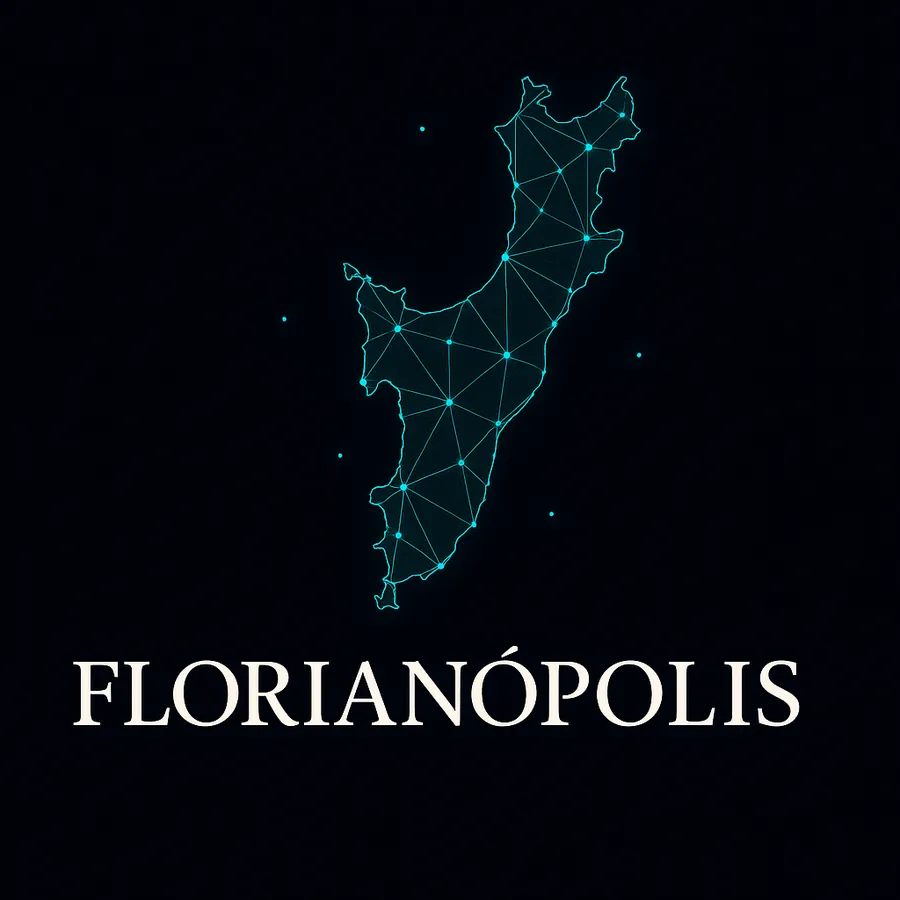
At a glance · from the side-by-side comparison
Jurisdictional / Governance Profile
Municipal & state hub inside Brazil; 2024 federal "Startup Capital" law
Core Economic & Tech Engines
Software/SaaS, tech services, lifestyle/talent magnet; Sapiens Parque, ACATE, CERTI, CELTA, StartupSC
Primary Friction / Constraint
Island/mainland traffic & mobility, coastal/urban growth, cross-border/macro friction
Distinctive Playbook Role
High-density builder/founder magnet & distributed municipal cluster model
Ecosystem information sheet by Golden Lady, structured around the Ecosystem Mapping Playbook v0.1.
Overview & Economic Story
Capital of Santa Catarina in southern Brazil, Florianópolis spans an island-and-mainland geography and evolved from a coastal/lifestyle and tourism destination into a major software, SaaS, and startup hub—recognized by federal law in 2024 as Brazil's Startup Capital. A defining inflection point came in 2003 when municipal policy cut the Municipal Service Tax (ISS) for tech companies from 5% to 2%, complementing municipal innovation legislation and a broad multi-actor Municipal Innovation Board. Over two decades, software/SaaS, data, and tech-service scaleups (notably RD Station, later acquired by TOTVS, alongside firms like Knewin) and high quality of life attracted founders, engineers, and remote/nomadic talent—while rapid growth brought pressure on transport, coastal ecology, housing, and local value retention.
Infrastructure & Physical Spine
- Mobility & Regional Connectivity Island-and-mainland layout linked to BR-101, Santa Catarina ports, and short flights to major southern/southeastern Brazilian centers (Porto Alegre, São Paulo, Rio de Janeiro) and Buenos Aires, with on-island congestion and urban transit remaining key physical bottlenecks.
- Innovation Parks & Centers Anchored by Sapiens Parque, ParqTec Alfa, CERTI, the CELTA incubator, StartupSC, and the distributed Florianópolis Innovation Network (such as CIA Downtown, CIA Primavera, CIA Sapiens Parque, and Soho), feeding into Santa Catarina's wider state innovation-center network.
- Talent & Civic Alignment Backed by regional universities, industry/business associations (ACATE and ACIF), and municipal innovation instruments, creating tight community and institutional density for a mid-sized city.
Innovation Hubs & Institutional Engines
- Distributed Cluster & Association Model Rather than relying on a single offshore zone, Florianópolis combines multiple innovation hubs/incubators with active associations (ACATE, ACIF) and city-level policy alignment inside a large domestic market (Brazil).
- Founder & Lifestyle Magnet Strong engineering/product culture, active founder networks, and coastal livability draw high-agency builders, even as cross-border capital/entity rails, currency/macro dynamics, and physical infrastructure constraints shape how companies scale globally.
Playbook Readout (Genome, Loops & Leverage)
- 12-System Genome & Flows High software/product talent density, strong municipal/associative coordination, and lifestyle magnetism sit alongside island/mainland mobility bottlenecks, coastal/urban pressures, and Brazil macro/capital dynamics.
- Zero Waste Loops Strong opportunities in coastal/urban waste, water, and mobility efficiency, underused spaces/assets, founder/talent retention and mentorship loops, and faster R&D-to-market commercialization.
- Key Nodes Hubs & Gatekeepers include municipal innovation leadership, ACATE/ACIF, Sapiens Parque / CERTI / CELTA / StartupSC / innovation network centers, and anchor founders; Bridges link local product/engineering builders with cross-border capital/legal infrastructure and coastal/urban resilience systems.
Dated data points
Additional figures from public sources, each linked and dated. Gaps are shown as gaps.
Ecosystem
- Tech sector
- The city’s tech sector reported about R$14 billion in revenue in 2025, around 21% of city GDP, across roughly 7,400 companies.1
- Pop-up city
- Florianópolis hosted Ipê Village, Brazil’s first pop-up city, from 22 April to 22 May 2025, with more than 150 participants.2
- Institutions
- ACATE is the regional technology association; UFSC is the main university.1
Infrastructure
- Energy
- Brazil’s electricity mix was 86.8% renewable in 2025. Island-level figures are not yet sourced.3
- Water
- Lagoa do Peri, a key water source for the south of the island, was contaminated after heavy rains during peak tourist season (April 2025).4
- Connectivity
- Florianópolis airport (FLN) handled about 5.18 million passengers in 2025 (secondary source). A colocation data centre with IX.br access operates in the city.56
- Climate exposure
- Research gap · not yet sourced
Jurisdiction, descriptive
- Legal frame
- Brazilian federal law applies; there is no island-specific special regime.
- Remote workers
- The VITEM XIV digital nomad visa asks for US$1,500 a month from a foreign source, or US$18,000 in funds.7
Sources
- Florianópolis Observatório ACATE · 2025
- Launching Ipê Village 2026 Ipê News · 2026
- Brazilian Energy Balance 2026, synthesis report EPE · 2026
- Novo abalo à Lagoa do Peri coloca em xeque futuro da água Jornal do Campeche · Apr 2025
- Aeroporto Internacional de Florianópolis (secondary source) Wikipedia · accessed 28 Nov 2026
- Data centres in Florianópolis Data Center Dispatch · accessed 28 Nov 2026
- VITEM XIV: digital nomad visa Brazil Ministry of Foreign Affairs · accessed 28 Nov 2026